A Reading Path Down a Rabbit Hole: Astha Sharma
A conversation between Kuch Hai and Astha Sharma about the illustrator and painter's practice and perspectives
Quotes & images
Whenever I choose a piece for Wednesday’s Kuch Hai segment, I contact the artist to let them know about the newsletter and my appreciation for their work.
I am lucky to have some artists reply and Sharma was one of them. I couldn’t find published profiles with Sharma online so we agreed to a virtual written interview with questions I had when I found her work.
For the first time ever, an interview conducted by Kuch Hai, and it is with illustrator Astha Sharma. Enjoy.
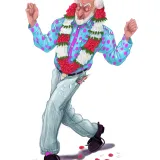
KH: Indians using flowers in various context on a daily basis seems so simple but feels so specific to the culture and perspective of a local. The definition of if you know, you know. I also saw this in your illustration of the woman in a salon, from the top-down perspective. Slices of life, and if you get it you get it. If you don’t you don’t. To me, this is a stylistic element of yours that characterizes your work. Do you agree?
If yes — how do you find or workshop moments that are so relatable and simultaneously niche? If not — what would you say you are currently most interested in as a stamp of your individuality as an artist on your work?
AS:
Yeah, I do agree with that. I think a lot of what makes my work specific comes from the way I naturally observe everyday life. I try to be as present as I can within my surroundings, and I think my introspective nature feeds into that too. I spend a lot of time trying to understand myself, which makes me curious about understanding the people around me. I don’t always see myself in what I observe, but I definitely feel like I see myself through other people in some way.
I think that’s also where the cultural specificity in my work comes from. I don’t consciously look for niche moments. I just notice things that feel familiar to me, like the way flowers are used, a woman getting herself waxed, or little everyday interactions. They’re things I might take for granted because they’re so familiar, but when I step back, I realise how specific they can be to a certain place or culture.
So I think my individuality comes from that combination of observation, empathy, introspection, and a slightly playful or surreal way of looking at ordinary life. I like the idea that someone can look at my work and think, “Oh, I know exactly what this is,” while someone else might experience it completely differently.
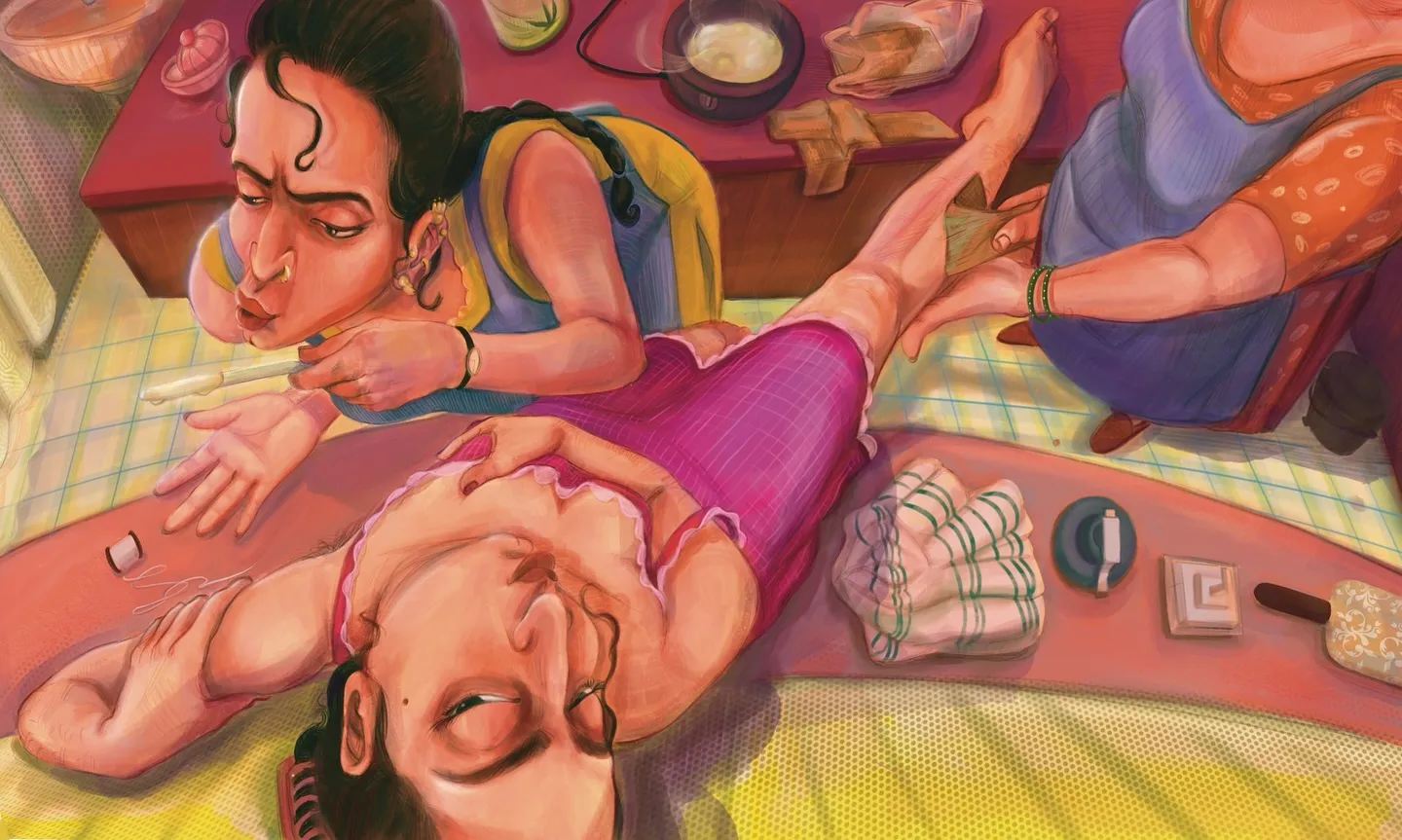
As smooth as a baby’s bum #artwork #drawing #art #sketch #illustration #digitalart #sketching, Astha Sharma (Instagram, September 10, 2024)
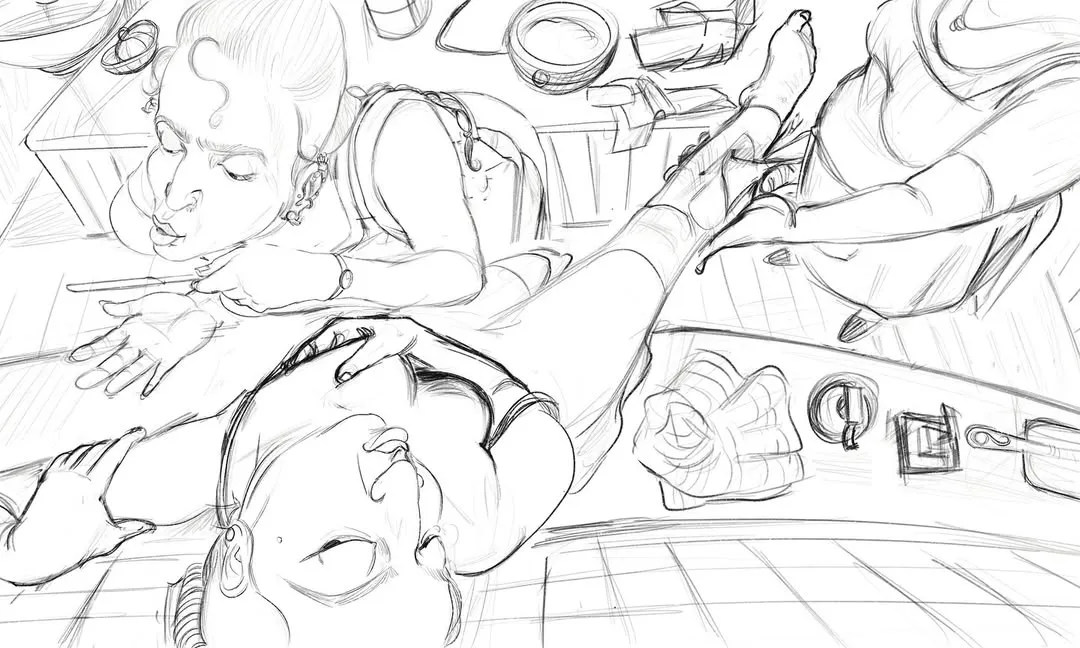
As smooth as a baby’s bum #artwork #drawing #art #sketch #illustration #digitalart #sketching, Astha Sharma (Instagram, September 10, 2024)
KH: On your Instagram profile, I see multiple illustration styles you experiment with. Some are clean lines, brighter colors, graphic shapes; others are very worked through with lines and textures, grittier subjects, more 3D perspective from a focal point in the back. How do you choose one over the other and which feels truer to the perspective you want to share with the audience?
AS:
I think the different styles you see on my Instagram mostly reflect different stages of my practice. A lot of the older work was made during college, when I was experimenting and trying to understand what came naturally to me. Looking back, I don’t think I was consciously choosing between different styles. My visual language was developing as I was growing and learning as an artist.
I do feel that I have a visual language, and I think it has always been there in some form, even when the work looked quite different. The way I observe things, the way I frame a scene, my interest in everyday life and people, and the slightly surreal or playful way I interpret ordinary moments have remained quite consistent. What has changed is how I translate those things visually, and I think that has happened naturally with time.
So I don’t really think of it as choosing one style over another. The more recent work feels like a point where things are starting to come together more cohesively, and it feels much closer to the direction I want my practice to move in.
I’m also experimenting with painting and other ways of making work at the moment, although I haven’t really shared that side of my practice on Instagram yet. I see that as a natural extension of where my practice is going. I don’t think I want to be fixed to one particular medium or aesthetic throughout my life; I’m quite open to letting the work evolve as I do.
So, in terms of what feels truest to the perspective I want to share, it’s not necessarily one particular way of drawing or rendering. It’s the way I see and interpret the world. That perspective is what I want to remain at the core of my work, even as the visual language continues to grow with me.
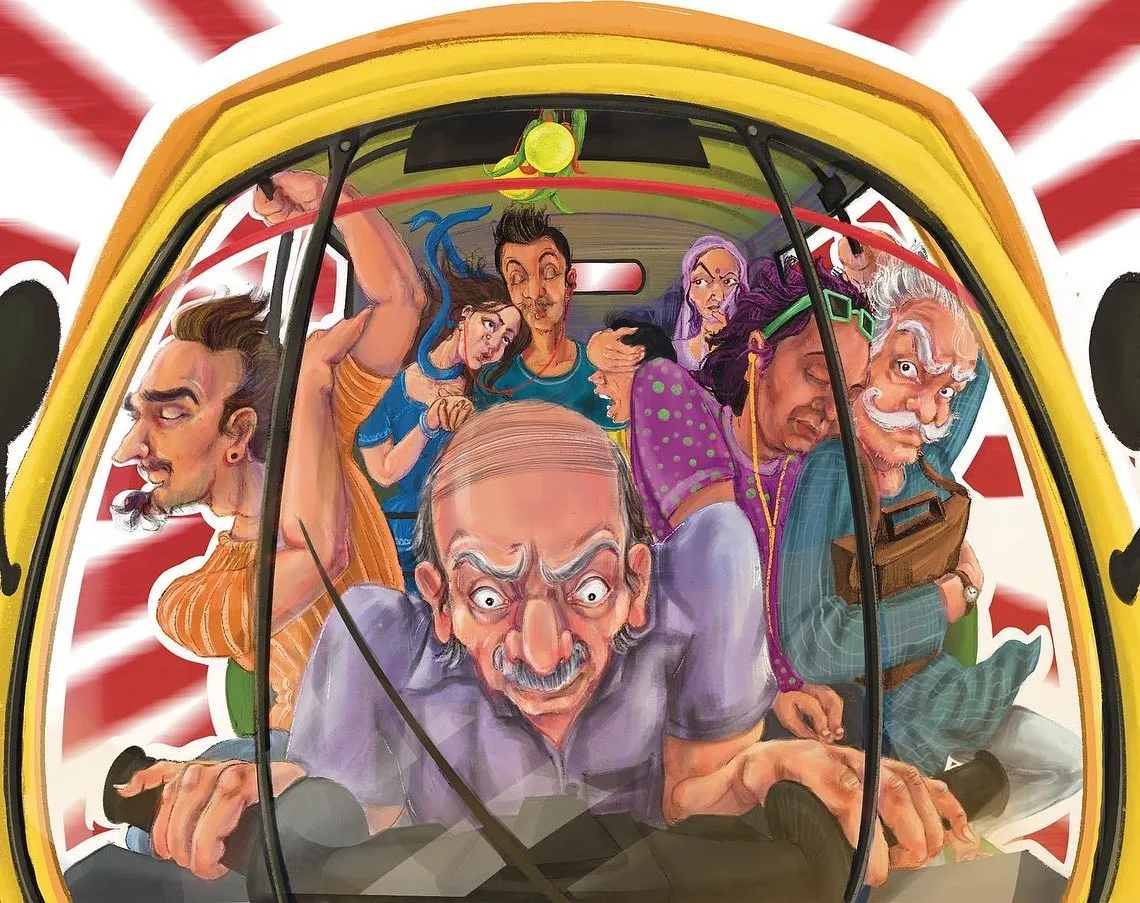
Delhi / jamunapar, Astha Sharma (Instagram, June 10, 2022)
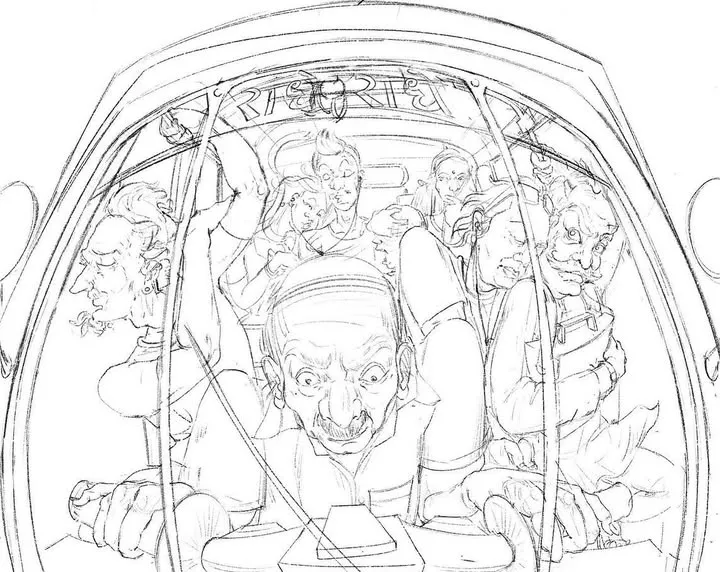
Delhi / jamunapar, Astha Sharma (Instagram, June 10, 2022)
KH: Are you a full-time artist, meaning making money off of your digital illustration, or have hopes of becoming one? Can you explain what it is like being an artist in India trying to sell and market your work? What is the appetite like and tell us about the community you have found within the artist world?
AS:
At the moment, I’d describe myself as a freelance illustrator and artist. Illustration has been my main source of income, but I’m also slowly building a more personal art practice. I’ve been moving towards painting recently, so I’m figuring out how these different parts of my practice can come together and eventually sustain me.
I think being an artist in India can be exciting but also challenging. There’s definitely an appetite for visual work, but as a freelance artist, you’re constantly figuring out how to put your work out there, find the right audience, price yourself, and make a living from it. I’m still figuring out what my own audience looks like, and I don’t really want to make work based on what I think will sell. I’d rather slowly build a community around the work I genuinely want to make.
The artist community has been really important to me too. I’ve found people through college, illustration, exhibitions and online, and even though making art can be quite solitary, it’s nice to have people around who understand that process. I think I’m still finding my place within that community, and I’m quite happy to let that happen organically.
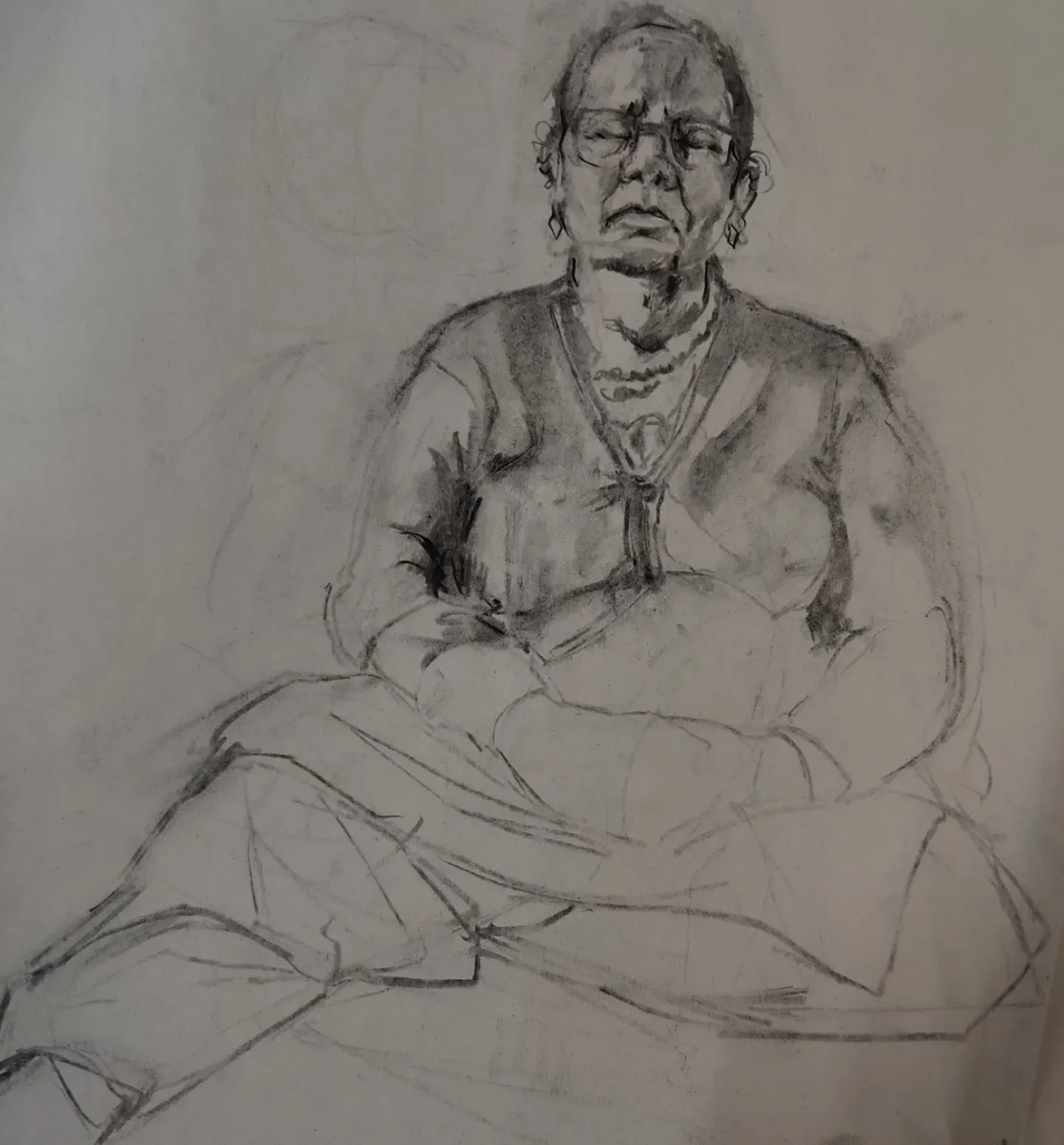
Sketches from a model study session., Astha Sharma (Instagram, January 10, 2022)
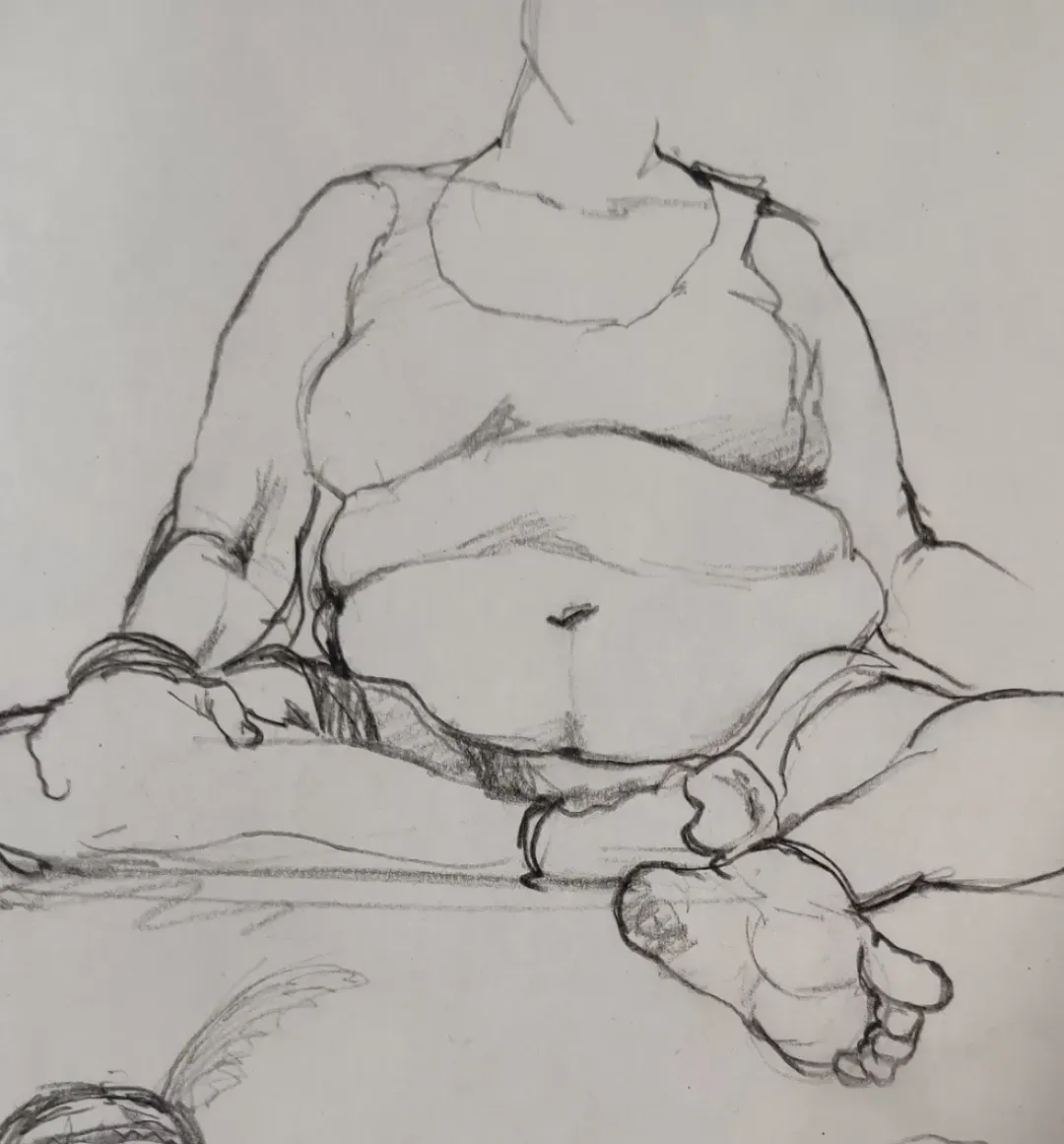
Sketches from a model study session., Astha Sharma (Instagram, January 10, 2022)
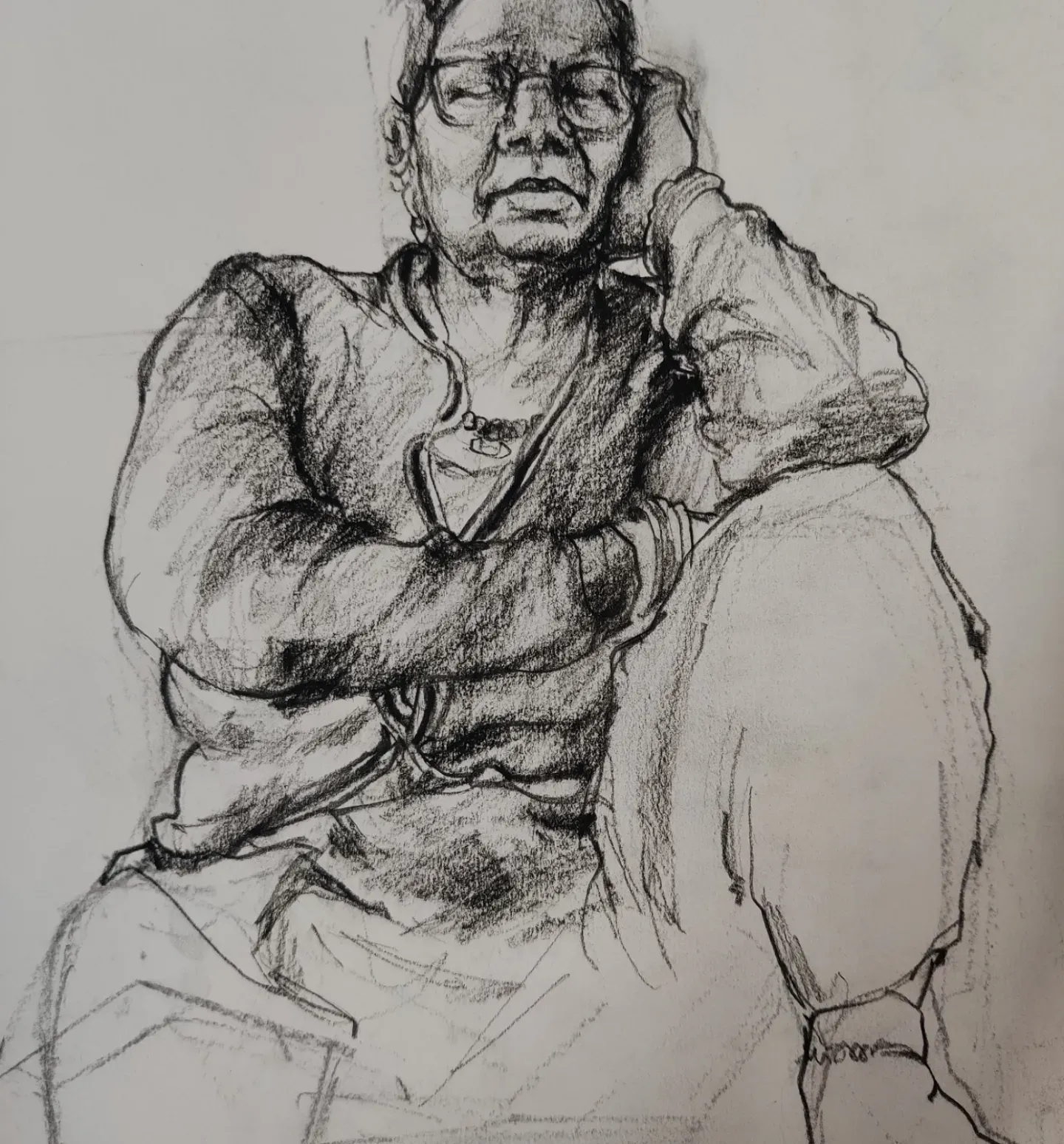
Sketches from a model study session., Astha Sharma (Instagram, January 10, 2022)
KH: Does your work feel important and does the “importance” an audience puts on your art matter to you?
AS:
I do think my work matters. A lot of what I make comes from my own observations and experiences, but I don’t think those experiences are uniquely mine. They’re things many people go through in their own ways, but we often overlook them in the pace of everyday life.
That’s where I think art becomes important. It gives us a chance to slow down, look more carefully, and notice perspectives or moments we might otherwise miss. So yes, the audience’s response matters to me. I’m really happy when someone connects with my work or sees something of their own experience in it. I’d love for my work to reach people beyond myself, but that’s not my only reason for making it. It still begins with that very personal need to observe and express something that I’ve felt.
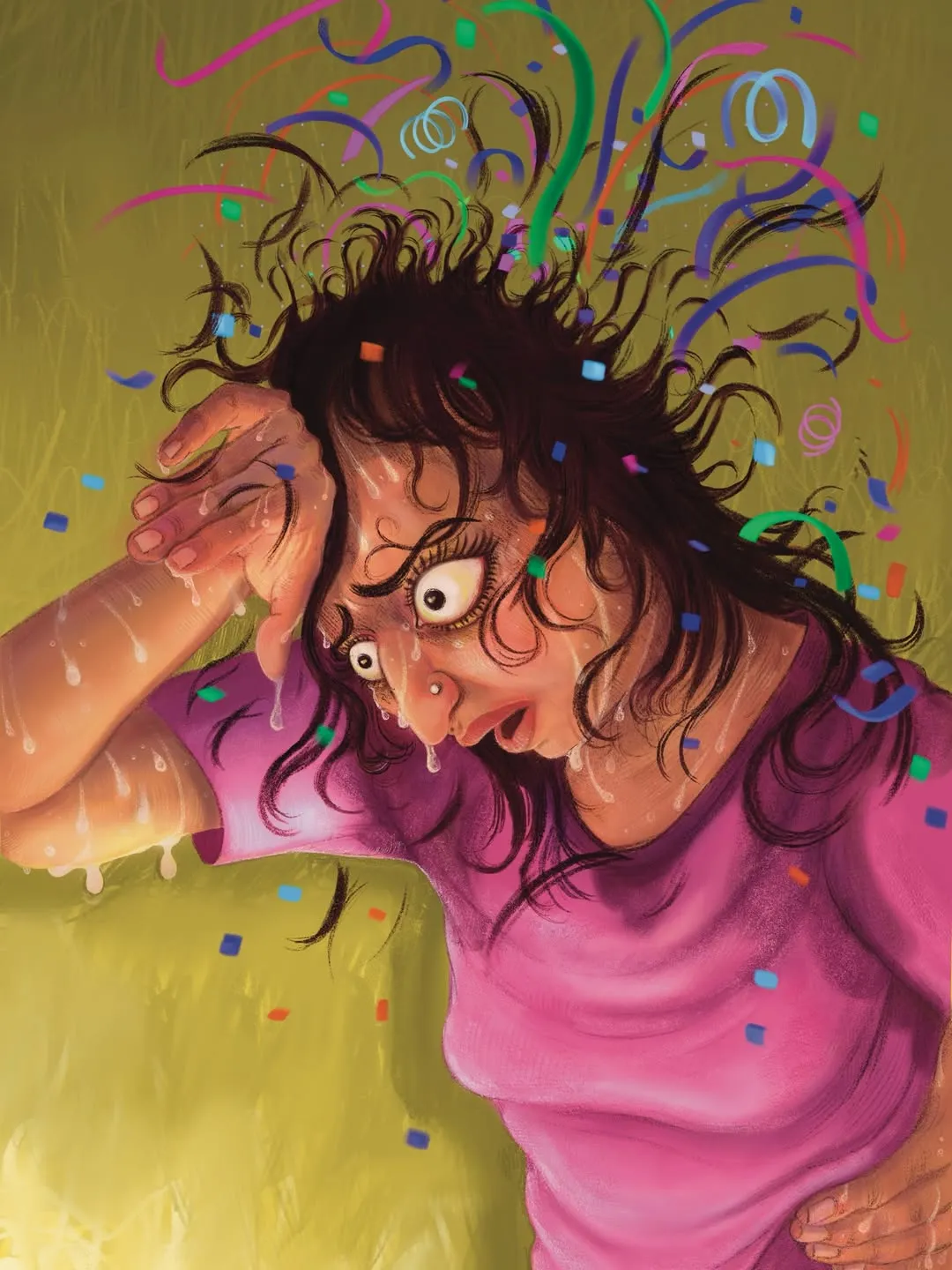
When everything comes crashing down on you, do you even have time to be nervous?, Astha Sharma (Instagram, February 5, 2026)
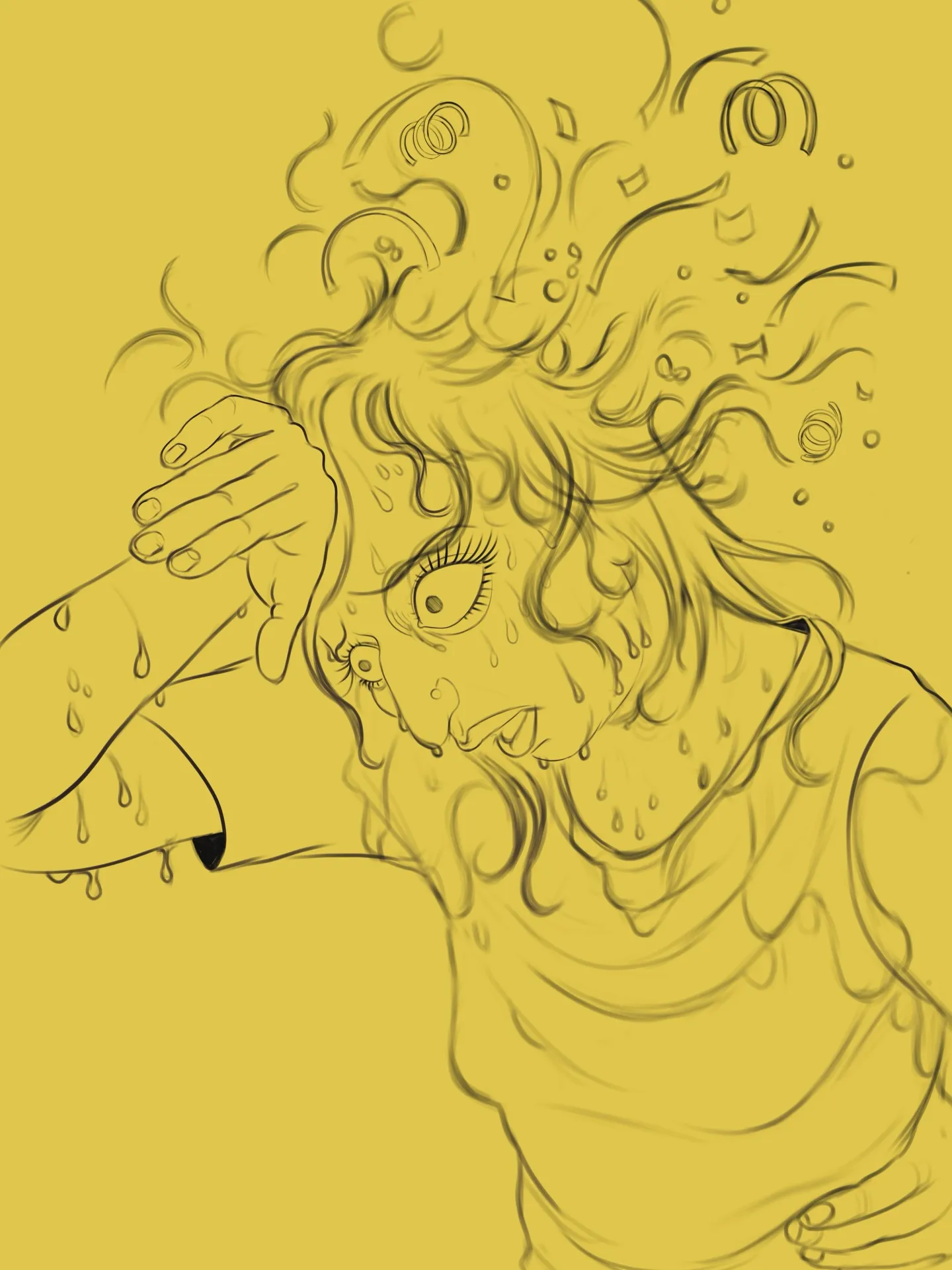
When everything comes crashing down on you, do you even have time to be nervous?, Astha Sharma (Instagram, February 5, 2026)
KH: What would you tell aspiring digital illustrators in India specifically, who don’t feel like their art is differentiated enough, feel discouraged about AI being able to ape their styles, or general disillusionment about pursing this path?
AS:
I think when we start as beginners, there’s always this urge to create something that is so different and original, like it has to come completely from our imagination and there can’t be any influence of anything else. But I think that’s a very skewed way of looking at making art. We are always influenced by what we see, and I think it’s actually important to allow yourself to look at other artists, understand what you like about their work, take certain elements from it, and then see what happens when you bring those things into your own practice.
I don’t think style is something you consciously create. I think it’s something that eventually happens as you keep making work. And before trying to develop a very unique style, I think it’s more important to develop your taste and an understanding about what you like, what attracts you, what makes you feel something, what you connect with. [Ed. note: “develop your taste and an understanding about what you like what attracts you, what makes you feel something, what you connect with” - the essence of Kuch Hai] Your taste keeps evolving, and as it does, your work naturally starts changing with it.
So I think a differentiated style is really just a byproduct of your taste and your perspective.
And with AI, I definitely understand why artists feel discouraged. It can replicate certain visual languages incredibly well, and I don’t think we should ignore that. But I also think that this might make the human part of making art even more important. Because art isn’t only about the skill of making an image or having a particular style. It’s also about thinking, observing, experiencing, empathising, and having your own perspective on things. A machine might be able to reproduce the way something looks, but the reason you noticed that particular thing in the first place, or the experience that made you want to make something about it, is much more personal.
So I would just say, don’t be too worried about whether your work is different enough right now. Give yourself time to develop your taste and your perspective. And also understand that this isn’t an easy path.